Canon EOS 5D Mark III Review: Worth The Hype?
The Canon EOS 5D Mark III remains a beloved camera among photographers and videographers even today. This full frame DSLR camera changed the game when it launched. It brought professional features to a more accessible price point.
Many creators still use this camera to capture stunning images and videos. If you wonder whether the 5D Mark III deserves a spot in your camera bag, this detailed review will help you decide. We will explore every aspect of this camera.
You will learn about its strengths and weaknesses. We will compare it to modern alternatives. This guide gives you everything you need to know about the Canon EOS 5D Mark III.
Key Takeaways
- The Canon EOS 5D Mark III delivers exceptional value for photographers who want professional features without breaking the bank. This camera remains relevant in 2026 thanks to its robust build and impressive capabilities.
- The 22 megapixel full frame sensor produces beautiful images with excellent color reproduction and dynamic range. You can create large prints and crop images extensively without losing quality.
- The 61-point autofocus system rivals cameras twice the price and provides fast, accurate focusing even in challenging conditions. This AF system came from the flagship Canon 1D X camera.
- ISO performance from 100 to 25,600 handles low light situations with ease, and the camera produces clean images at high ISO settings that many newer cameras struggle to match.
- Full HD 1080p video recording makes this camera perfect for content creators who need reliable video capabilities alongside their photography work.
- The weather-sealed magnesium alloy body withstands harsh conditions and the dual card slots provide backup security that protects your valuable work from loss.
Canon EOS 5D Mark III Overview

- 22MP full frame CMOS sensor
- 6 frames per second continuous shooting
Last update on 2026-10-26 / Affiliate links / Images from Amazon Product Advertising API
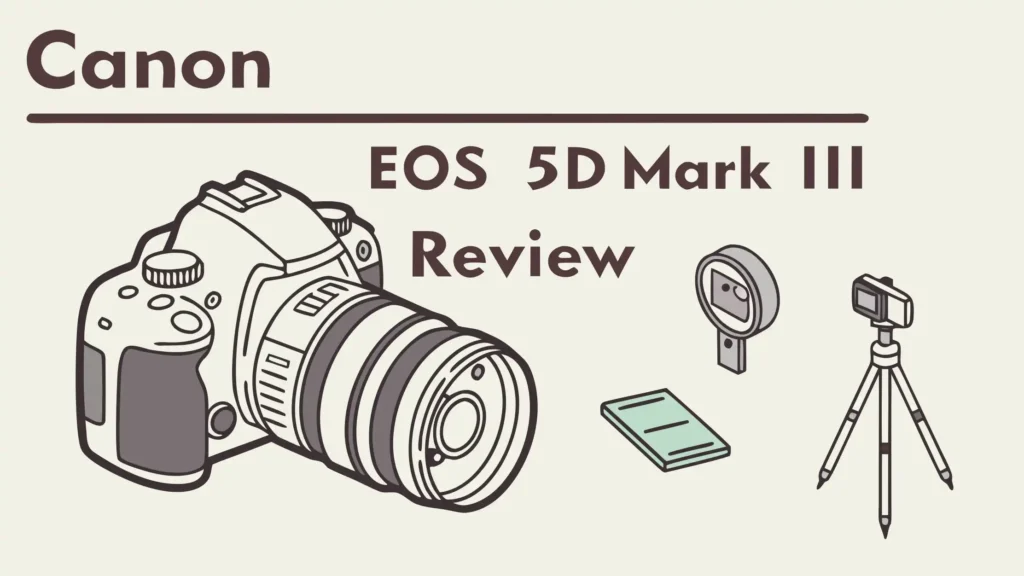
The Canon EOS 5D Mark III represents a milestone in camera technology. Canon released this camera in 2012. It brought together the best features from their professional lineup. The camera features a 22.3 megapixel full frame CMOS sensor. This sensor captures stunning detail and color. The camera body uses magnesium alloy construction. It feels solid and durable in your hands. The weather sealing protects the camera from dust and moisture.
The 5D Mark III targets professional photographers and serious enthusiasts. It serves wedding photographers, landscape shooters, and portrait artists well. The camera also appeals to hybrid shooters who need both photo and video capabilities. Canon designed this camera to handle demanding professional work. The build quality shows this commitment. Every button and dial feels precise. The camera inspires confidence during important shoots.
The camera measures 6.0 x 4.6 x 3.0 inches. It weighs 30.3 ounces without a lens. This weight provides stability during shooting. The camera balances well with professional lenses. The grip offers excellent ergonomics. You can shoot all day without hand fatigue. The controls fall naturally under your fingers. This thoughtful design speeds up your workflow.
Understanding the Full Frame Advantage
Full frame sensors offer several advantages over crop sensors. The 5D Mark III uses a 36.0 x 24.0mm sensor. This matches the size of traditional 35mm film. Full frame sensors capture more light. They produce better low light performance. You get shallower depth of field at the same aperture. This creates beautiful background blur in portraits.
The larger sensor also provides superior image quality. You see less noise at high ISO settings. The dynamic range captures more detail in highlights and shadows. Full frame sensors use your lenses at their intended focal length. A 50mm lens stays a true 50mm. You get the full benefit of wide angle lenses. This matters for landscape and architecture photography.
Full frame cameras also offer better control over depth of field. You can create dramatic bokeh effects. The larger sensor area uses more of the lens. This often produces sharper images across the frame. Professional photographers prefer full frame for these reasons. The 5D Mark III delivers all these benefits at a reasonable price point.
The 22 Megapixel Sensor Performance
The 22.3 megapixel sensor strikes a perfect balance. It provides plenty of resolution for large prints. You can crop images significantly without quality loss. The sensor does not pack too many pixels. This helps with low light performance. Each pixel captures more light. The result is cleaner images at high ISO settings.
Canon optimized this sensor for real world shooting. It produces natural colors straight from the camera. Skin tones look accurate and pleasing. The sensor handles mixed lighting well. You can recover detail from shadows during editing. The highlight retention impresses photographers. You can often save blown highlights in post processing.
The sensor produces RAW files with excellent dynamic range. You get about 11 to 12 stops of usable range. This gives you flexibility in post production. The JPEG engine also produces quality results. Canon’s color science shines in JPEG files. Many photographers shoot JPEG only with this camera. The files need minimal editing right out of camera.
Top 3 Alternatives for Canon EOS 5D Mark III

- 26.2 Megapixel full frame CMOS sensor
- Optical viewfinder with a 45 point all cross type AF system. Compatible lenses: Canon EF lenses (excluding EF S and EF M lenses)
Last update on 2026-10-26 / Affiliate links / Images from Amazon Product Advertising API
The Canon EOS 6D Mark II offers a newer alternative with improved features. It includes a vari-angle touchscreen LCD. The articulating screen helps with awkward shooting angles. This camera provides excellent value for portrait and wedding photographers. The autofocus system works well for most situations. It lacks the advanced AF of the 5D Mark III. The 6D Mark II costs less when buying new. It makes a great choice for photographers starting their full frame journey.

- Full frame 243 megapixel CMOS image sensor and expeed 4 image processor
- Full HD 60/50/30/25/24p video
Last update on 2026-10-26 / Affiliate links / Images from Amazon Product Advertising API
The Nikon D750 competes directly with the 5D Mark III. It offers similar image quality and build. The D750 features a tilting LCD screen. This Nikon camera excels in low light situations. The autofocus performs reliably in challenging conditions. Nikon shooters love this camera for its balanced feature set. The D750 provides great value in the used market. It represents the best alternative for Nikon users who want similar capabilities.

- High Image Quality: EOS 5D Mark IV digital 4K camera features a 30.4 megapixel full-frame CMOS sensor for versatile shooting in nearly any...
- Powerful Image Processor: High-performance DIGIC 6+ Image Processor allows for improved speed with up to up to 7.0 fps continuous shooting...

Last update on 2026-10-26 / Affiliate links / Images from Amazon Product Advertising API
The Canon EOS 5D Mark IV succeeds the Mark III directly. It brings significant improvements across the board. The Mark IV features 30.4 megapixels for more resolution. It shoots 4K video for content creators. The autofocus system includes more coverage area. The Mark IV also adds built-in WiFi and GPS. This camera costs more but delivers cutting edge features. It represents the natural upgrade path for 5D Mark III owners.
The Revolutionary 61-Point Autofocus System
The 61-point AF system represents the biggest upgrade from the 5D Mark II. Canon borrowed this system from their flagship 1D X camera. The system includes 41 cross-type sensors. Five of these are dual cross-type sensors. This creates incredibly accurate focusing. The system works down to -2 EV. You can focus in very dim conditions.
The AF coverage spans a wide area of the frame. You can track subjects moving across the scene. The system locks onto subjects quickly. It rarely hunts for focus. The predictive tracking follows moving subjects well. Sports and wildlife photographers appreciate this capability. The AF works reliably with both slow and fast lenses.
You can customize the AF behavior extensively. Canon provides multiple AF modes. Single point AF gives you precise control. Zone AF balances coverage and precision. The 61-point automatic selection works well for general shooting. You can fine tune the tracking sensitivity. The AF system adapts to different shooting situations. This flexibility makes the camera versatile.
ISO Performance and Low Light Capabilities
The native ISO range spans from 100 to 25,600. You can expand this to ISO 50 on the low end. The high end extends to ISO 102,400. The camera produces excellent results at low ISO settings. Images from ISO 100 to 800 show minimal noise. The files remain clean and detailed.
As you increase ISO, the camera handles noise gracefully. ISO 1600 shows only slight grain. Colors and details remain well preserved. ISO 3200 adds more visible noise. The images still retain good detail and color. ISO 6400 shows significant grain. The files remain usable for many purposes. Even ISO 12,800 works in emergency situations.
The high ISO performance impresses compared to competitors. The 5D Mark III handles low light better than many newer cameras. Wedding photographers shoot entire receptions at ISO 3200. The results look clean and professional. Event photographers rely on this capability. The camera allows you to shoot without flash in dim venues. This creates more natural looking images.
Image Quality and Color Science
Canon’s color science produces beautiful images. The 5D Mark III captures accurate, pleasing colors. Skin tones look natural and flattering. The camera handles white balance well. Mixed lighting situations cause fewer problems. The files respond well to color grading in post.
The dynamic range provides flexibility in editing. You can recover shadow detail effectively. Highlight recovery works well within limits. The camera captures subtle tonal gradations. This creates smooth transitions in skies and gradients. The sensor produces low noise at base ISO. Your images show fine detail throughout the frame.
The RAW files contain abundant information. You can push and pull exposure during editing. The files handle contrast adjustments well. Color shifts remain minimal when you edit aggressively. The JPEG engine produces quality output. Many photographers use the camera’s JPEG settings. The files need minimal work before delivery to clients.
Build Quality and Weather Sealing
The magnesium alloy body feels substantial and durable. Every component meets professional standards. The camera survives years of heavy use. The weather sealing protects against environmental hazards. You can shoot in light rain without worry. Dust and moisture stay out of the camera body.
The shutter mechanism rates for 150,000 actuations. Many cameras exceed this rating significantly. The mirror mechanism operates smoothly and quietly. The camera includes a silent shooting mode. This reduces noise during ceremonies and performances. The build inspires confidence during critical shoots.
The button layout makes sense for working photographers. All controls fall easily under your fingers. You can change settings without looking at the camera. The mode dial locks to prevent accidental changes. The quick control dial speeds up adjustments. The camera body design shows thoughtful engineering. Canon listened to professional feedback when creating this camera.
Video Recording Capabilities
The 5D Mark III records Full HD 1080p video. It offers multiple frame rate options. You can shoot 30p, 25p, and 24p. The camera also records 720p at 60 frames per second. This allows for smooth slow motion playback. The video quality looks clean and detailed.
The camera provides manual control over video settings. You can adjust aperture, shutter speed, and ISO during recording. This gives you creative control over exposure. The camera includes headphone and microphone jacks. External audio monitoring improves sound quality. You can connect professional audio equipment.
The rolling shutter performance shows improvement over earlier models. Fast panning looks cleaner with less distortion. The autofocus during video works but not perfectly. Most videographers use manual focus. The camera supports focus peaking aids. You can nail focus consistently with practice. Many filmmakers still use the 5D Mark III for professional work.
The Dual Card Slot Advantage
The camera features two memory card slots. One accepts CF cards. The other takes SD cards. This redundancy protects your work. You can set the camera to record to both cards simultaneously. This creates an instant backup of every image. Professional photographers consider this feature essential.
You can also configure the slots for different purposes. Record RAW files to one card and JPEGs to the other. Use one card for photos and the other for video. The camera automatically switches to the second card when the first fills. This extends your shooting time without interruption. The dual slot design provides peace of mind.
CF cards offer fast write speeds. This helps with continuous shooting. The camera writes image data quickly. You can fire off bursts without waiting. SD cards provide affordability and availability. The dual format support gives you flexibility. You can choose cards based on your needs and budget.
Continuous Shooting and Buffer Performance
The 5D Mark III shoots at 6 frames per second. This speed works well for most situations. You can capture fast action and fleeting expressions. The burst rate suits wedding and event photography. Sports shooters also find it adequate for many situations.
The buffer depth allows extended shooting bursts. You can shoot about 18 RAW files before the buffer fills. JPEG shooting extends to over 100 frames. The camera writes files to the card quickly. The buffer clears fast between bursts. This performance keeps you shooting during important moments.
The 6 fps rate provides a good balance. Faster cameras create too many similar images. The 5D Mark III gives you enough frames to catch the moment. You spend less time culling duplicate shots later. The burst rate matches the camera’s professional target audience. Canon chose speed that works for real assignments.
Battery Life and Power Management
The LP-E6 battery provides excellent performance. You can shoot around 950 shots per charge. This number varies based on shooting conditions. Cold weather reduces battery life. Heavy LCD use drains power faster. The camera manages power efficiently overall.
The battery meter shows accurate information. You always know how much power remains. The camera warns you before the battery dies. You can carry spare batteries easily. The LP-E6 batteries charge relatively quickly. Many third party batteries work well with this camera. This provides affordable backup options.
The camera includes battery grip support. The BG-E11 battery grip holds two batteries. This doubles your shooting time. The grip also improves handling with large lenses. The vertical controls make portrait shooting easier. Professional photographers often use battery grips. The extra weight balances heavy telephoto lenses.
LCD Screen and Viewfinder Experience
The 3.2 inch LCD screen displays 1,040,000 dots. This provides a clear, detailed view of your images. The screen shows accurate color representation. You can judge exposure and white balance reliably. The LCD brightness adjusts for different viewing conditions. Anti-reflective coating helps visibility in bright light.
The optical viewfinder offers 100% coverage. You see exactly what the sensor captures. The viewfinder image appears bright and clear. The pentaprism design shows a large, comfortable view. You can shoot all day without eye strain. The viewfinder includes grid lines and electronic level. These aids improve composition and alignment.
The camera displays shooting information in the viewfinder. You see current settings without looking away. The display updates in real time. This speeds up your shooting workflow. The viewfinder provides all the information you need. Professional photographers appreciate this convenience during fast-paced shoots.
User Interface and Customization Options
Canon designed the interface for working professionals. The menu system organizes logically. You can find settings quickly. The camera offers extensive customization. You can assign functions to custom buttons. This creates a personalized shooting experience.
The quick control screen provides fast access to common settings. You can change multiple parameters without diving into menus. The camera remembers your custom shooting modes. You can set up C1, C2, and C3 modes. Each stores a complete configuration. This allows quick switching between shooting styles.
The camera offers numerous custom functions. You can fine tune autofocus behavior. Mirror lockup prevents vibration during exposures. The camera includes bracketing options for exposure and white balance. These features appeal to advanced photographers. The learning curve exists but rewards investment. You unlock powerful capabilities through customization.
Lens Compatibility and Ecosystem
The 5D Mark III uses Canon’s EF lens mount. This gives you access to decades of lens development. Canon offers lenses for every purpose. You can find everything from ultra-wide to super-telephoto options. Third party manufacturers also support EF mount extensively.
The full frame sensor uses EF lenses at their designed focal lengths. Wide angle lenses deliver maximum coverage. The camera works with both new and vintage lenses. Many photographers already own EF lenses. This makes the 5D Mark III an easy choice. You can use your existing glass without adapters.
Canon’s L-series lenses pair perfectly with this camera. These professional lenses deliver exceptional quality. The combination produces stunning results. The camera also works well with budget lenses. You do not need the most expensive glass. Quality third party options like Sigma and Tamron perform excellently. The lens ecosystem represents a major advantage.
Real World Performance for Different Photography Genres
Wedding photographers love the 5D Mark III. The camera handles varied lighting conditions well. The autofocus tracks moving subjects reliably. The dual card slots provide essential backup. Battery life lasts through long wedding days. The camera produces beautiful skin tones naturally.
Portrait photographers appreciate the image quality and color science. The full frame sensor creates beautiful bokeh. The 22 megapixel resolution provides enough detail. You can create large prints for clients. The camera balances perfectly with portrait lenses. Studio work and natural light both produce excellent results.
Landscape photographers find the camera highly capable. The wide dynamic range captures scenes effectively. The weather sealing protects during outdoor shooting. The Live View mode helps with tripod work. The camera produces clean files at base ISO. The color reproduction renders nature beautifully. Many landscape shooters still use this camera today.
Value Proposition in the Current Market
The 5D Mark III offers incredible value in the used market. You can find good examples for under $800. This makes professional full frame photography accessible. The camera still performs well compared to new models. Many features remain competitive with current cameras.
The cost per feature makes this camera attractive. You get professional build quality for less money. The image quality rivals much newer cameras. The autofocus system still impresses today. Used camera prices have dropped significantly. This creates opportunity for budget-conscious photographers.
The camera remains supported by Canon. You can still get repairs and service. Third party accessories remain widely available. The large user base means abundant information exists. You can find tutorials, tips, and troubleshooting help easily. The active community helps new users learn the camera quickly.
Is the Canon EOS 5D Mark III Still Worth Buying?
The answer depends on your needs and budget. The camera still delivers professional results. The image quality holds up against newer models. The autofocus system remains fast and accurate. The build quality ensures years of reliable use. These factors make it worth considering today.
The camera works best for photographers who prioritize image quality. If you need the latest features, look elsewhere. The 5D Mark III lacks 4K video and modern connectivity. It does not include a touchscreen or articulating display. These omissions matter to some photographers. Traditional shooters find them unimportant.
For the price, few cameras compete with the 5D Mark III. You get full frame quality at crop sensor prices. The professional features justify the purchase. The camera will not disappoint serious photographers. It continues serving professionals making money from photography. This proves its ongoing relevance and capability.
Frequently Asked Questions
Does the Canon 5D Mark III shoot 4K video?
No, the Canon 5D Mark III does not record 4K video. The camera shoots Full HD 1080p video at various frame rates. It records up to 30 frames per second in 1080p mode. You can also shoot 720p at 60 fps for smooth motion. The video quality looks excellent for Full HD. Many filmmakers still create professional content with this camera. If you need 4K capabilities, consider the 5D Mark IV instead. That model adds 4K recording and improved video features.
How many shutter actuations can the 5D Mark III handle?
Canon rates the shutter for 150,000 actuations. This represents the expected lifespan under normal use. Many cameras exceed this rating significantly. Some photographers report 300,000+ actuations without issues. The actual lifespan depends on usage conditions and maintenance. When buying used, check the shutter count. Lower counts indicate less wear on the camera. High counts do not always mean problems exist. The camera remains reliable even with extensive use.
Can I use EF-S lenses on the Canon 5D Mark III?
No, you cannot use EF-S lenses on the 5D Mark III. The full frame sensor requires EF lenses designed for it. EF-S lenses project a smaller image circle. They only cover crop sensor cameras adequately. Mounting EF-S lenses on full frame creates severe vignetting. The corners of your images would appear completely black. Stick to EF lenses for proper coverage. You can use any EF lens from any era. The backward compatibility spans decades of Canon lenses.
What memory cards work best with the 5D Mark III?
The camera accepts both CF and SD cards. For the CF slot, look for UDMA 7 cards. These provide the fastest write speeds available. SanDisk Extreme Pro CF cards work excellently. For the SD slot, use Class 10 or UHS-I cards. Faster cards help with continuous shooting and video recording. You can mix and match card types. Choose based on your workflow needs and budget. Fast cards prevent buffer delays during important moments.
How does the 5D Mark III compare to mirrorless cameras?
The 5D Mark III holds its own against many mirrorless cameras. The image quality remains competitive with modern sensors. The autofocus speed and accuracy still impress users. The optical viewfinder offers advantages over electronic viewfinders. Battery life exceeds most mirrorless options significantly. The camera feels substantial and professional in hand. Mirrorless cameras offer advantages in size, weight, and video features. They include better eye autofocus and silent shooting. The choice depends on your priorities and shooting style. Both camera types produce excellent results.
Is the Canon 5D Mark III good for beginners?
The 5D Mark III can work for dedicated beginners. The camera offers room to grow into its capabilities. New photographers can start with automatic modes. They can learn advanced features over time. The camera does not baby you through settings. This encourages learning proper photography techniques. The weight and size might overwhelm some beginners. The cost, even used, represents a significant investment. Beginners might find better value in entry level cameras. Those committed to serious photography will appreciate the 5D Mark III immediately.
The Canon EOS 5D Mark III remains a remarkable camera that delivers professional results at an accessible price point. Its combination of image quality, autofocus performance, and build quality creates a compelling package. Whether you shoot weddings, portraits, or landscapes, this camera has the features you need. The active used market makes full frame photography available to more photographers than ever before. If you want proven professional performance without spending thousands on the latest model, the Canon EOS 5D Mark III deserves serious consideration.

Hi there! I’m Jinny, the tech enthusiast behind GadgetInsight. I spend my days unboxing the newest devices, diving deep into their features, and figuring out how they can genuinely improve your life – or if they’re worth your hard-earned money at all.